


Comprehensive Guide to Mildew Prevention and Treatment
Posted on blog, carpet cleaning by dryconcepts
What is mildew?
Mildew is a type of fungus, closely related to mold, that is characterized by a flat growth and a powdery or fluffy appearance. It is a common issue in many households and outdoor environments, often found in damp, warm areas where it feeds on organic materials. Here’s an expanded overview of mildew, its characteristics, and its impact:
- Appearance: Mildew typically appears as a patch of gray or white fungus and can turn yellowish or black as it grows. It often looks like a powdery or fluffy coating on surfaces.
- Growth Habitats: It commonly grows in moist, warm areas, making bathrooms, kitchens, basements, and outdoor spaces like patios and decks common sites for mildew infestation.
- Preferred Materials: Mildew primarily feeds on organic materials, which include natural fabrics like cotton, wood, leather, and paper products.
What Causes Mildew Growth
Mildew thrives in environments where moisture, warmth, and limited airflow converge. It most commonly develops in areas that remain damp for extended periods, such as bathrooms, kitchens, laundry rooms, and basements. Everyday activities, like showering without ventilation, storing wet clothes, or running air conditioners without cleaning filters, can create the perfect conditions for mildew to take hold. Leaks in pipes, roofs, or appliances also contribute to persistent dampness. Organic materials, including fabrics, paper products, and wood, act as food sources for mildew, making household items especially vulnerable. Without consistent efforts to manage moisture and improve ventilation, mildew can begin to grow within 24–48 hours and spread quickly throughout the space.
What’s the Difference Between Mildew and Mold?
While mildew and mold are both types of fungi, they differ in appearance, behavior, and the severity of their effects. Mildew typically presents as a thin, powdery or fluffy layer that is gray, white, or yellow in color. It usually grows on the surface of organic materials and is easier to clean when caught early. Mold, on the other hand, often appears darker—green, black, or brown—and has a thicker, more textured growth that penetrates deeper into surfaces. Mold also tends to cause stronger odors and more significant structural or health-related damage. Understanding the difference is crucial: what may look like harmless mildew could actually be mold requiring professional remediation. When in doubt, having your home inspected by experts like Dry Concepts ensures accurate identification and safe removal.
Why Mildew Prevention Matters Year-Round
In Florida’s consistently warm and humid environment, mildew isn’t just a seasonal concern. It’s a year-round challenge. Spaces with poor ventilation or frequent moisture buildup are especially vulnerable, allowing mildew to thrive quickly and quietly. Routine household habits can contribute to rising humidity, making it important to adopt proactive strategies that minimize dampness and maintain air circulation. Staying ahead of these conditions is key to protecting both your property and your indoor air quality.
Common Places Mildew Hides in the Home
While mildew is often visible on bathroom tiles or shower curtains, it frequently thrives in places that aren’t immediately obvious. Here’s where to look:
- HVAC Systems:
Your heating and cooling system may be circulating mildew spores without you realizing it. Dirty coils, clogged air filters, and moist drip pans create ideal breeding grounds for mildew. Regular servicing and cleaning can reduce this risk significantly. - Window Sills and Frames:
Condensation buildup on window sills, especially during cooler months, can trap moisture in corners and crevices. If left unchecked, mildew can begin growing around frames and beneath paint layers. - Basements and Crawlspaces:
These areas often suffer from poor insulation and high humidity. Concrete walls, carpet padding, or cardboard boxes can trap moisture and encourage mildew growth in spots that go unnoticed for long periods. - Closets and Wardrobes:
When airflow is restricted by tightly packed clothes, moisture from laundry or general humidity can settle into natural fibers like cotton or leather. This can lead to mildew on clothing, shoes, and even walls. - Under Area Rugs:
Moisture can collect between rugs and the floor beneath—especially on wood or tile. If rugs aren’t lifted and aired out periodically, mildew can develop in this hidden layer. - Behind Large Furniture:
Sofas, bookshelves, and entertainment centers pushed against walls limit airflow. In humid environments, this creates a damp, dark space where mildew can thrive unnoticed. - Along Baseboards and Trim:
Kitchens, bathrooms, and laundry rooms are often exposed to spills and steam. When moisture seeps behind baseboards or collects around trim, it can promote mildew growth—especially in corners that are hard to clean. - Shower Curtains and Bath Mats:
These items often stay damp long after use. If not cleaned and dried regularly, mildew can develop on fabric shower curtains, plastic liners, and absorbent floor mats—particularly where they fold or gather.
The Impact of Mildew on Materials
Since mildew feeds on organic materials, it eventually causes a loss in fiber strength and unsightly staining or discoloration. These effects are NOT reversible. Textile fibers are permanently affected once deteriorated by mildew. The gray patches that sometimes develop on walls and fibers following water damage are colonies of the mildew fungi and represent an advanced stage of growth.
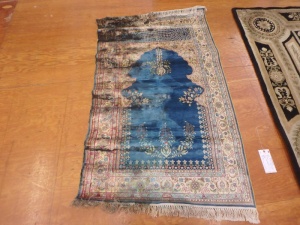
The musty odor results from its digestive action. This odor disappears once the mildew is eliminated and the absence of color is evidence that improvement has occurred.
Navigating through the complexities of preventing and removing mildew can be daunting, but having a licensed cleaning company is key. Learn how Dry Concepts can aid in ensuring your space remains healthy and free from mildew.
Health Risks and Allergic Reactions Associated with Mildew Exposure
Some people are particularly sensitive to mildew, which can trigger allergic reactions. Symptoms may include respiratory issues, nasal congestion, throat irritation, coughing, and skin irritation. Extended exposure to mildew can aggravate existing respiratory conditions such as asthma. This is of particular concern for individuals with compromised immune systems or pre-existing chronic lung diseases.
When Should You Call a Professional?
Although small patches of mildew may seem manageable with store-bought cleaners, there are clear signs that professional treatment is needed. If mildew returns repeatedly despite cleaning, has spread to porous materials like upholstery or drywall, or causes lingering odors and allergic reactions, it’s time to bring in experts. Professional services like Dry Concepts use high-powered extraction equipment, dehumidifiers, and antimicrobial treatments to eliminate mildew at its root. This includes hidden colonies beneath carpets, behind walls, or within ventilation systems, areas that DIY methods often miss.
Treatment and Prevention Strategies
A variety of fungicidal solutions are available which kill mildew without damaging fabrics. In order to be effective they must come in direct contact with the organism, and the procedures may require multiple treatments. Because many household items utilize organic materials, these furnishings are frequently affected by mildew, especially in humid environments. Some frequent victims include oriental rugs, upholstery fabrics, and clothing in closets. Thorough drying is an essential step in mildew removal.
Long-Term Solutions
Complete and permanent elimination of mildew requires that the conditions which stimulate mildew growth (primarily dampness) be eliminated. Maintaining a dry environment is essential for preventing mildew. Areas that are persistently damp, especially with temperatures exceeding 65℉, are prime breeding grounds for mildew, and even the most effective germicides will fail to provide a long-term solution if these conditions persist.
Smart Habits for Everyday Mildew Prevention
Maintaining a mildew-free home involves more than occasional deep cleaning. It requires consistent habits that limit moisture and improve airflow. Always use exhaust fans in bathrooms and kitchens to vent humidity. Avoid overwatering indoor plants and ensure their trays are dry. Dehumidifiers can be especially helpful in rooms with poor ventilation or naturally high humidity, such as basements or laundry rooms. Avoid storing damp clothing or linens in closed containers, and keep closets organized to allow airflow. Promptly repair any plumbing leaks or condensation issues, no matter how minor they appear.
DIY vs. Professional Mildew Treatment
While there are many DIY mildew sprays and cleaning solutions available, their effectiveness is usually limited to surface-level removal. These treatments often fail to reach spores embedded deep in fabrics, porous stone, or behind walls. In some cases, improper cleaning can spread spores to new areas or worsen air quality. Professional mildew remediation offers peace of mind, especially when dealing with recurring issues or damage from flooding or leaks. At Dry Concepts, our licensed technicians are trained to assess the scope of infestation and apply safe, lasting treatments tailored to your specific environment.
Contact Us Today!
Have you found this guide on combating mildew informative? Take the next step towards a safer, cleaner living space with Dry Concepts. Our team is equipped to provide you with tailored solutions for mildew prevention and eradication. Contact Dry Concepts now!